Crypto Transaction Fees at Online Casinos: The Real Cost
📅 May 26, 2026 · ✍ Paul
The promise of free crypto transactions at online casinos sounds appealing, but the reality is more nuanced. While cryptocurrency eliminates traditional banking intermediaries, blockchain networks still charge fees to process transactions. Understanding where these costs appear and how they vary across different blockchain networks is essential for any player considering crypto gambling. This guide separates fact from marketing hype.
The Myth of Completely Free Transactions
Many crypto casinos advertise zero fees as a selling point, but this claim requires careful interpretation. Casinos often mean they don’t charge deposit or withdrawal fees on their end, which is technically accurate. However, this does not mean the transaction itself is free. The blockchain network that processes your transaction still collects fees paid to miners or validators who confirm the transaction.
Two distinct processes occur during withdrawals: casino approval time (the operator reviews and releases the payout) and network settlement time (the blockchain confirms the transaction after it is broadcast). Players frequently confuse these layers and assume casino-side cost transparency equals zero overall expense.
Network Fees: The Hidden Variable
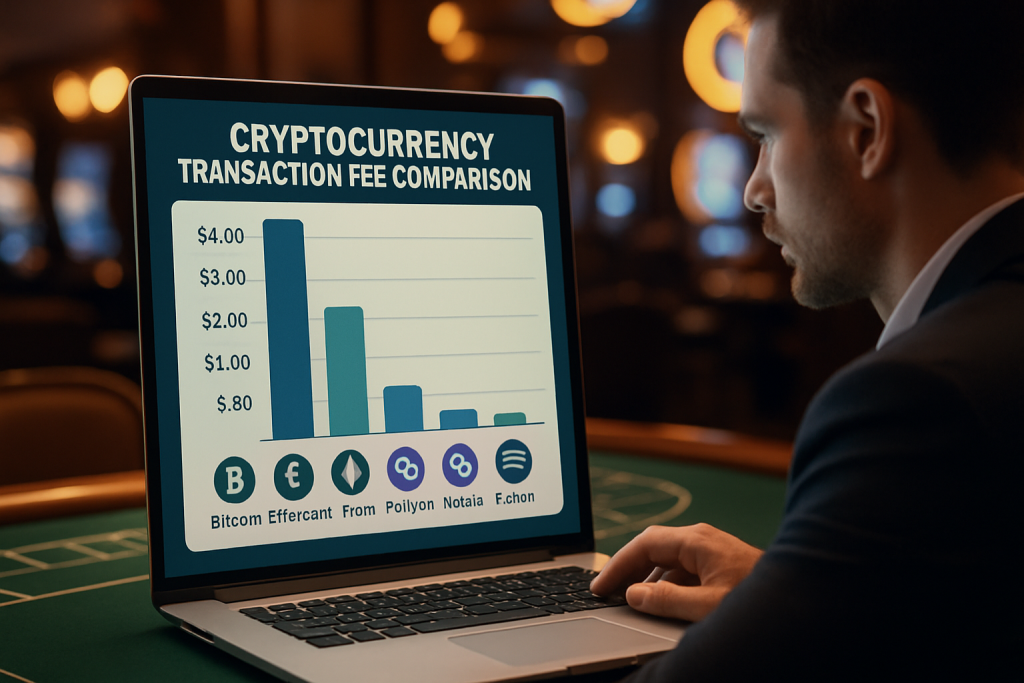
Network choice matters because fees, speed, and reliability vary by chain. A USDT withdrawal on one network can be fast and cheap, while the same stablecoin on another network can be slower or more expensive. This flexibility makes selection critical. TRC-20 USDT transaction fees are under $0.01 versus ERC-20’s $8–50 in gas during peak Ethereum network congestion.
Most TRC-20 USDT transfers cost the sender under $1 — often just a few cents — while BEP-20 transactions typically cost between $0.10 and $0.50. Solana network fees are typically under $0.01, often a fraction of a cent, while Polygon network fees are usually under $0.10. The network you choose can move the total fee cost from cents to tens of dollars on the same withdrawal amount.
Bitcoin and Ethereum: When Costs Spike
Bitcoin and Ethereum remain popular casino cryptocurrencies, but their fee structures differ dramatically from newer networks. Bitcoin fees typically run under $1 per transaction in low-congestion periods, $1–$10 during normal conditions, and $20–$50+ per transaction during high-congestion events, sometimes even higher in extreme situations. These are not percentage-based charges—a $50 withdrawal and a $50,000 withdrawal face identical network fees, making Bitcoin unfavorable for small wagers.
Bitcoin and Ethereum can sometimes have higher transaction fees, particularly when their networks are busy. Because these fees are determined by the blockchain rather than the casino, you may pay several dollars or more for a single transaction during peak activity. High-roller players moving substantial sums face lower percentage-based costs, but regular players betting modest amounts suffer disproportionately.
Beyond Blockchain: Other Hidden Costs
Network fees represent only one layer of expense. What happens after the blockchain transaction arrives at the destination is where many players lose sight of the real cost. Once the casino has released the transaction, the blockchain itself collects a fee to process it. This fee goes to the miners or validators who confirm the transaction, and it varies based on the network, its design, and current congestion conditions.
Additional charges may include casino processing fees, exchange spreads if converting between cryptocurrencies, and wallet conversion costs. Some operators build these margins into their operations without explicit disclosure. Always verify the complete fee structure before committing funds, particularly for frequent deposits and withdrawals that compound costs over time.
Choosing the Right Network for Your Play Style
Casual players making occasional withdrawals benefit from low-cost networks like Tron, Polygon, or Solana. For a crypto casino player who makes multiple deposits and withdrawals per session, the accumulated fee savings from TRC-20 versus ERC-20 over a month of regular play can be substantial. High-volume traders with large bankrolls should weigh transaction fees against settlement speed and network security.
Consider your play frequency and average withdrawal size. For small-to-medium withdrawals, TRC-20, BEP-20, Solana, Polygon, Litecoin, and XRP are meaningfully cheaper than Bitcoin or ERC-20 Ethereum. The network choice alone can move the total fee cost from a few cents to tens of dollars on the same amount of money. Verify that your chosen casino supports the lowest-cost networks before signing up.
❓ Frequently Asked Questions
Are crypto casino deposits truly free?
Casinos typically don’t charge deposit fees on their platform, but blockchain networks do charge transaction fees. These vary widely depending on the network—Solana deposits might cost fractions of a cent, while Bitcoin deposits during congestion could cost $20+. The blockchain fee is separate from any casino charges and fluctuates based on real-time network demand.
Which cryptocurrency has the lowest withdrawal fees?
Litecoin, Tron (TRC-20), Solana, and Polygon consistently offer the lowest withdrawal fees—often under $0.10 or even less than a penny. Bitcoin and Ethereum’s native networks are more expensive, especially during peak hours. Your chosen casino must support the specific network to benefit from lower fees, so verify available blockchain options before depositing.
Do withdrawal times affect total costs?
Yes, indirectly. Longer processing times may indicate you’re using a congested network. If a casino forces you onto expensive networks like Bitcoin, you pay higher fees for the privilege of slower settlement. Casinos offering multiple blockchain options let you balance speed and cost—faster networks like Solana settle instantly but may limit compatibility with some wallets.
Can I avoid all crypto transaction fees?
No. Some blockchain transaction is unavoidable if moving funds on-chain—miners or validators must be compensated. However, you can minimize fees by choosing low-cost networks, making fewer but larger withdrawals instead of multiple small ones, and withdrawing during off-peak network hours. No legitimate casino offers zero network costs, only zero casino-imposed fees.